Which Sunglasses Shape Suits Your Face
GlareBear November 5, 2026 3 min read
The short answer
The usual rule of thumb is contrast: a rounder face tends to suit an angular frame, and an angular face tends to suit a rounder one. It is a starting point, not a law. Pick the shape you like, then check the size, because size decides the fit more than shape does.
The rule of thumb, and its limits
Opticians and stylists usually give the same advice: choose a frame that contrasts with the shape of your face. A round or soft face looks more defined in a square or rectangular frame; a square jaw or long face looks softer in a round, oval or aviator shape. A face that is already balanced, often called oval, can wear almost anything. Treat this as a first filter. The frame you reach for every day is the one that suits you, whatever the chart says.
The shapes, one by one
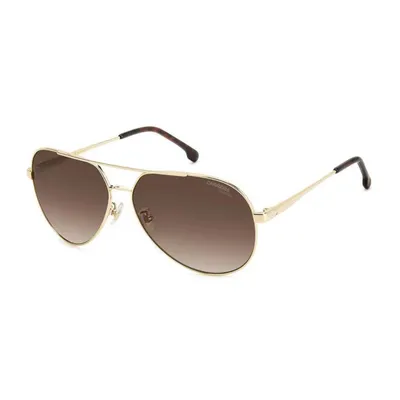
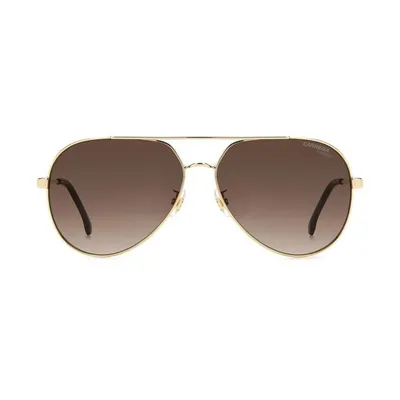
- Aviator. The teardrop lens that drops below the brow line, usually in a thin metal frame with a double bridge. Softens a square jaw and suits most faces.
- Navigator. A squared-off aviator: flatter brow, straighter sides. A little more structured than the teardrop.
- Square. A flat brow and squared corners. Adds definition to a round or soft face.
- Rectangle. Wider than it is tall. Sits lower on the face and suits longer faces less well than shorter ones.
- Round. A circular lens. Softens angular features; on a round face it can look like more of the same.
- Oval. A round lens stretched sideways. The gentlest shape, easy to wear.
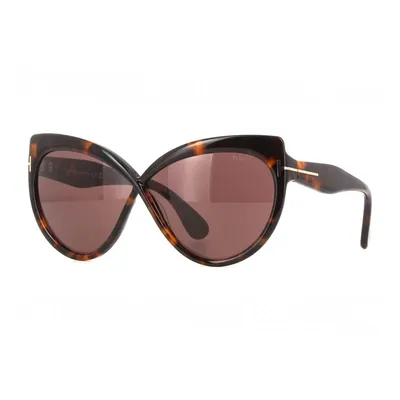
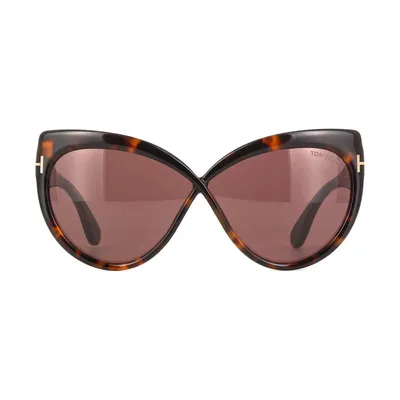
- Cat-eye. Lifts at the outer corners. Draws the eye up and out, which flatters a heart-shaped or round face.
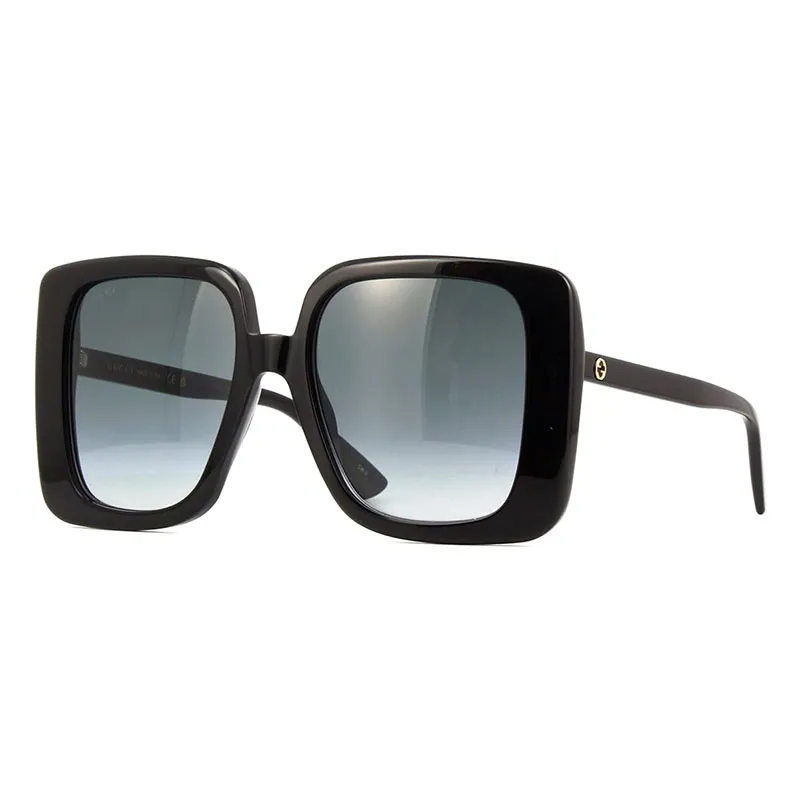
- Butterfly. Wide at the top and tapering down, often oversized. Covers a lot of face and suits a longer face.
- Shield. One lens across the whole face, held by a brow bar. Sporty and dramatic; read how shields are sized before you buy one.
- Wrap. A curved front that follows the face around the sides. Built for sport and wind; the curve can distort the view at the edges.
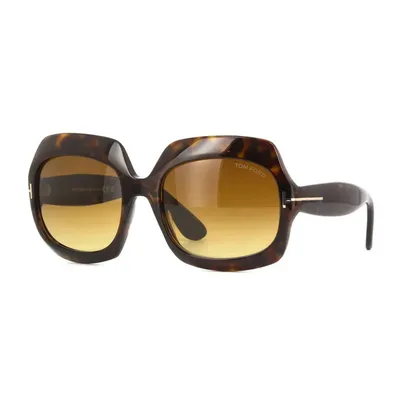
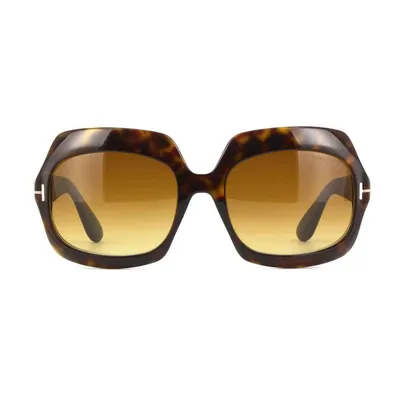
- Geometric. Hexagons, octagons and other angled fronts. A statement shape that works best on faces with soft lines.
- Browline. A heavy top bar with a thin or absent lower rim. Adds weight to the brow and suits a longer or oval face.
A quick match-up
| If your face is | Shapes that usually work | Shapes to try on first |
|---|---|---|
| Round | Square, rectangle, cat-eye, geometric | Round, oval |
| Square | Aviator, round, oval, butterfly | Square, rectangle |
| Long or oblong | Oversized square, butterfly, browline, wrap | Small rectangles |
| Heart-shaped | Cat-eye, aviator, round | Heavy browlines |
| Oval | Most shapes | Anything much wider than the face |
What matters more than shape
Three things change how a frame looks on you more than the outline does. Size: a 52 mm and a 58 mm version of the same shape are different glasses; see how to read sunglasses sizes. Rim weight: a thick acetate rim reads bolder than a thin wire one of the same shape. Lens colour: a dark lens hides the eyes and makes the frame the whole statement, a lighter tint keeps your eyes in the picture; see lens colours explained.
How we describe shape on GlareBear
Every GlareBear page names the shape it sees in the product photos, using the twelve terms above, and notes the rim style and bridge type. Where our supplier's data gives the size, the page explains it. Browse by who the pair is cut for, women's, men's or unisex, or start from the brand list.