Sunglasses Lens Colours Explained
GlareBear November 5, 2026 3 min read
The short answer
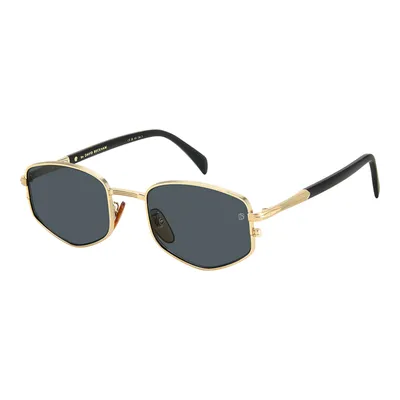
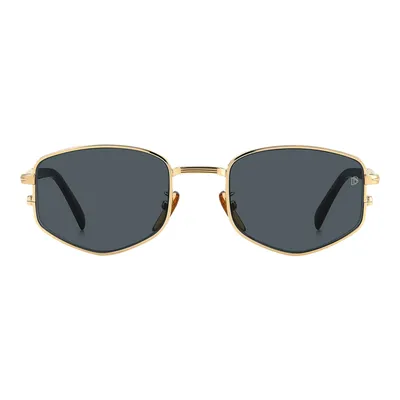
Grey is the neutral tint: it dims the light without changing colours. Brown warms the view and sharpens contrast. Green sits between the two. Blue, yellow, rose and other bright tints are chosen for their look or for low light. A mirror coating sits on top of any of these and throws glare back.
Tint is about colour and contrast, not protection
The colour of a lens changes how the world looks through it. How dark a lens is, and what it blocks, are separate questions: a very dark lens can let through more of what it should block than a pale one, depending on how it was made. This guide covers the colour. Read the maker's own leaflet or the marking on the box for anything about protection.
The three everyday tints
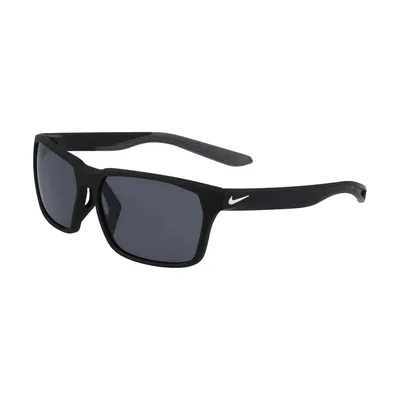
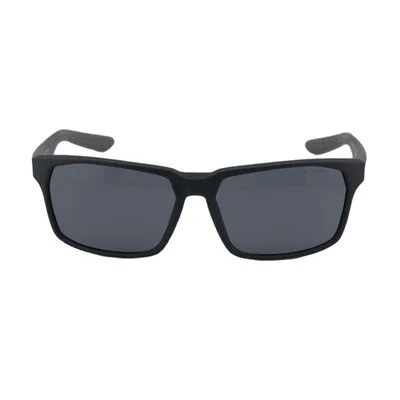
- Grey, smoke and graphite. The neutral choice. Grey dims every colour by the same amount, so a red light still looks red and the sky still looks blue. Good for anyone who wants the view unchanged, just dimmer.
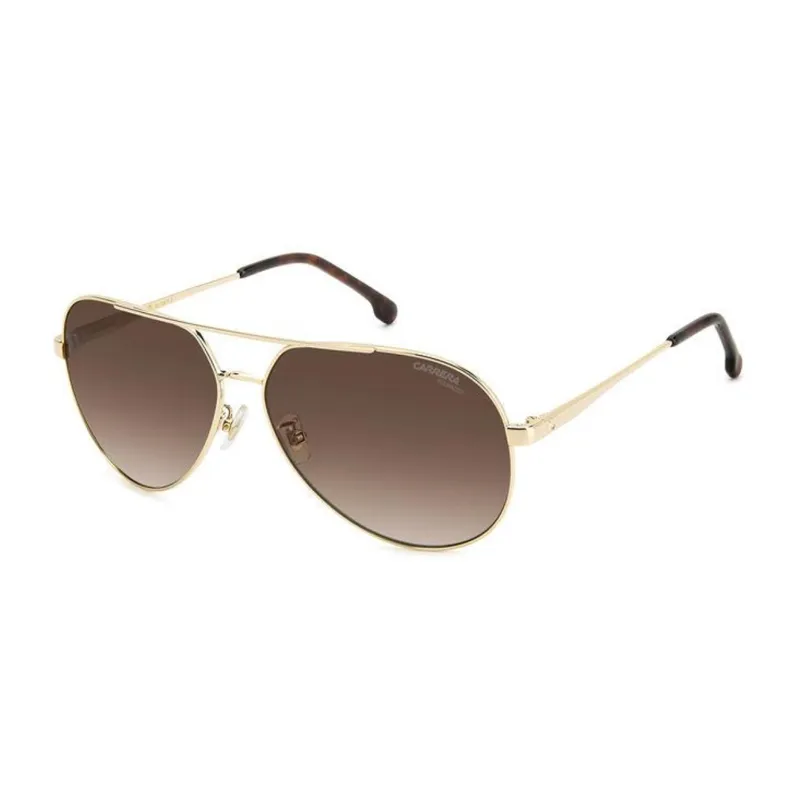
- Brown, amber and bronze. Brown takes a little blue out of the view, which warms it and makes edges stand out more. Many people find it the easiest tint to wear all day in mixed light.
- Green. Halfway between grey and brown: colours stay close to true with a little extra contrast. The classic tint on older pilot and sport frames.
Fashion and low-light tints
Blue, yellow, orange, rose, violet and red lenses change the colour of everything you see, which is the point. Pale yellow and amber also brighten a dull day and are used for low light, though they do little against bright sun. Light blue and rose tints are worn for their look rather than for shade. On GlareBear each page names the lens colour the supplier gives, and the story on the page says what that tint does in general terms.
Mirror coatings
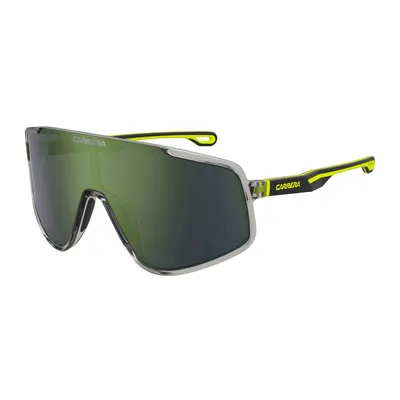
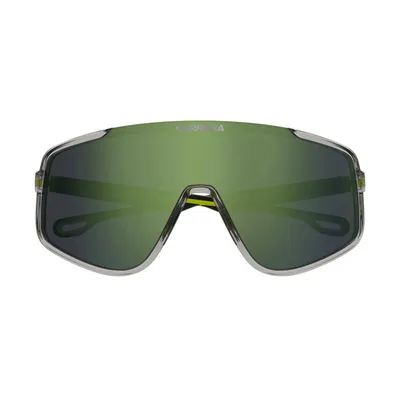
A mirror is a thin reflective layer on the outside of the lens. It hides your eyes, reflects some of the light before it reaches the tint, and comes in silver, gold, blue, green, pink and more. The colour of the mirror is what others see; the colour you see through is the tint underneath, which is often grey or brown. Mirrors scratch more easily than plain lenses, so they need the care described in how to care for sunglasses.
Gradient lenses
A gradient lens is darker at the top than at the bottom. The dark top shades the eyes from the sky; the lighter bottom lets you read a map or a dashboard without lifting the glasses. Gradients are common on larger fashion frames. A double gradient is dark at the top and bottom with a lighter band across the middle.
The category number on the box
Sunglasses sold in Europe carry a category from 0 to 4 on the box or leaflet, which describes how dark the lens is.
| Category | How dark | Typical use |
|---|---|---|
| 0 | Clear or very light | Fashion, indoors, overcast |
| 1 | Light | Low sun, dull days |
| 2 | Medium | Everyday sun |
| 3 | Dark | Bright sun, beach, most sunglasses |
| 4 | Very dark | Glacier, high mountain; not for driving |
The category describes darkness only; it is not the same thing as polarization, which is covered in polarized or not. GlareBear shows the lens colour and finish on each page and makes no claim about category, protection or polarization unless the supplier's data states it.
Choosing
For one pair that does everything, grey or brown in a medium or dark tint is the safe choice. For driving, grey keeps traffic lights true. For contrast on water or a golf course, brown or green. For a look, pick the mirror or the fashion tint you like and treat it as that. Lens colour sits inside the frame you choose, so read which shape suits your face as well.