
Guide
Acetate vs Metal Sunglasses Frames: How to Choose
GlareBear November 17, 2026 4 min read
The short answer
Acetate is a plant-based plastic that makes thicker frames with deep colour and pattern, and it usually sits on the nose with a fixed bridge. Metal makes thinner, lighter-looking frames and usually comes with small nose pads an optician can adjust. Pick acetate for a bold look and a bridge that already suits your nose, and metal for a slim look or when frames tend to slide on you.
What each material is
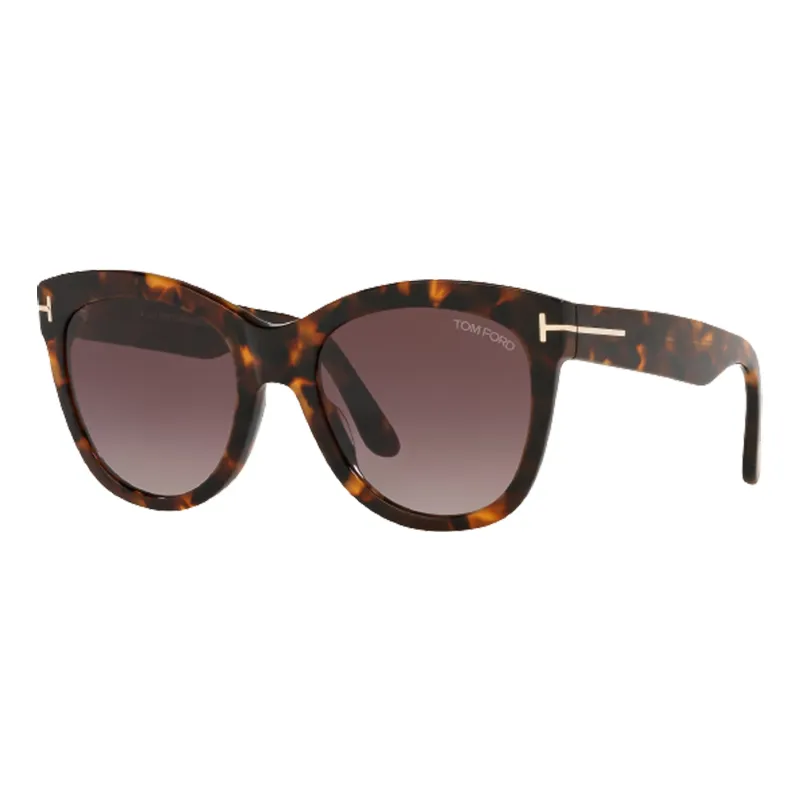
Acetate is cellulose acetate, a plastic made from plant fibre such as cotton or wood pulp. Frame makers usually cut the frame from flat sheets, then tumble and polish it. Because the colour runs through the sheet, acetate can carry layered colours and patterns such as havana and tortoiseshell that do not rub off.
Metal frames are made from wire and thin sheet. Common metals are stainless steel, titanium and nickel alloys such as Monel. Makers differ in which they use, and most product listings only say metal. The colour is usually a plating or a coating over the metal.
Not every plastic frame is acetate. Many sport and budget frames are moulded from nylon or other plastics, which behave differently. This guide is about acetate.
Acetate and metal side by side
| Point | Acetate | Metal |
|---|---|---|
| Look | Thicker rims, bold outline | Thin rims, more of the lens and face on show |
| Colour | Deep colours and patterns through the material | Gold, silver, gunmetal and black finishes, sometimes coloured coatings |
| Nose | Usually a fixed, moulded bridge | Usually small pads on thin arms that can be moved |
| Weight | Often heavier, because there is more material | Often lighter, but large lenses add weight |
| Adjusting | An optician warms it to bend the arms | An optician bends the arms and pad arms with pliers |
| Typical shapes | Square, cat-eye, round, oversized | Aviator, round, slim rectangle, rimless |
These are tendencies, not rules. A chunky metal frame can weigh more than a slim acetate one, so check the shape and size as well as the material.
How each one fits
The bridge is the biggest difference. On most acetate frames the bridge is part of the front and cannot be changed. If it matches your nose, the frame sits steady. If it is too wide, the frame slides, and if it is too narrow, the frame sits high or pinches. So the bridge number matters more on acetate. Our guide to reading sunglasses sizes shows where to find it.
Most metal frames rest on two small pads. An optician can move them closer together, further apart, or change their angle. That makes metal more forgiving if you have a narrow or low nose bridge, or if frames often slip on you. Some people find the pads leave marks, and hair can catch in them.
Run the same checks on either material once the pair is on your face: see how to tell if sunglasses fit.
Wear, heat and skin
- Heat. Acetate softens with heat, which is how it gets adjusted. It can also lose its shape if left somewhere very hot, such as a car dashboard in summer. Metal keeps its shape in the heat but gets hot to the touch.
- Bending. A bent metal arm can often be bent back. Acetate is stiffer and can crack if forced cold, so leave adjustments to someone with the right tools.
- Finish. Scuffs on acetate can often be polished out because the colour goes all the way through. A plated or coated metal finish can wear thin over years at the points that touch skin.
- Skin. Some metal alloys contain nickel, which irritates some people's skin. If you know you react to nickel, check the maker's material details before you buy. Titanium and acetate are common choices for people who avoid nickel.
Day-to-day care is the same for both. See how to clean and care for sunglasses.
Which to choose
- Choose acetate if you want a strong outline, a havana or coloured frame, or a pair with no nose pads.
- Choose metal if you want a slim, light-looking frame, an aviator shape, or pads that can be set to your nose.
- Many frames mix the two, for example an acetate front with metal arms. They wear like acetate at the nose and like metal at the sides.
Two examples from our range
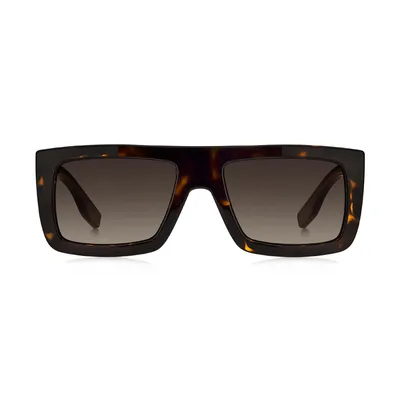
The Tom Ford FT0870 in Dark Havana is a typical acetate frame: a thick havana-pattern front, broad arms in the same pattern and a fixed bridge with no nose pads. It is listed at 54-20-140, and the only metal on the front is a slim gold T at each hinge.
The Montblanc MB0182S in black is a typical metal frame: a thin wire teardrop aviator, listed at 59-15-145, with clear nose pads on slim arms that an optician can bend.
To see more of each, browse Tom Ford and Montblanc, or start from women's sunglasses, men's sunglasses or unisex sunglasses.
More guides
- Shield and Wraparound Sunglasses, ExplainedShield sunglasses use one lens across both eyes. Wraparounds curve around the face. How they differ, how sizes work and who each one suits.Read the guide
- Sunglasses for Wide Faces: Sizes That WorkSunglasses for wide faces and larger heads: the lens widths and arm lengths that fit without pinching, and the shapes that look in proportion.Read the guide
- Sunglasses for Small Faces: Sizes That WorkSunglasses for small or narrow faces: the lens widths, bridge sizes and shapes that fit, and the styles that tend to overwhelm a petite face.Read the guide